

If You Struggle to Relax, This is What Your Body Needs
True rest means calming your body and your thoughts

When we think of rest we often think of sitting or laying down. But we can rest in our thoughts and body with movement we enjoy. Here we are on one of our hikes, momma always bringing up the rear!
Rest does not necessarily mean sleep.
Sleep is, of course, amazingly important. And yes, let’s get more of that too while we’re at it.
What I mean by rest is intentionally putting yourself into the parasympathetic state: the “rest and digest” part of our nervous system.
Resting in the parasympathetic nervous system (PNS) is the opposite of the stressed, triggered, “fight or flight” sympathetic nervous system state that most of us spend too much time in.
The problem is, modern life gives us many events that trigger our sympathetic nervous system into the activated fight or flight state.
Modern life does not give us many events that put us into the resting nervous system, unless we create these events for ourselves.
This is especially true for healthcare workers who often encounter violent patients, people who yell at them, life or death Codes, the list goes on…
If you work in a stressful environment, and then drive home in traffic, and then get worked up at home, and then scroll on your phone before bed…your body and brain are spending the majority of time in the stressed out sympathetic nervous system. This leads to chronic stress, irritability, gut health issues, and more.
It’s imperative to understand nervous system regulation so we can balance out all these stressors with time spent in the parasympathetic state.
Time spent resting.
Rest does not mean you are lazy.
You do not need to feel guilty when you take time to rest.
Feeling guilty is a habitual response you’ve developed over years of being told by society that you need to always be doing something, and taking care of others instead of yourself. This is not your fault nor is it a problem. Now that you are aware of feeling guilty, you can change it.
You are doing amazing work taking care of others. This work does take a toll on your physical and mental health if it isn’t balanced with taking care of yourself, too.
If you want your body to heal and recover from stressful shifts, you need to spend more time resting.
If you want your brain to calm down after your child has yet another tantrum, you need to spend more time resting.
What is rest?
Two of my favorite definitions of rest:
to stop being active for a period of time in order to relax and get back your strength
peace of mind or spirit
“Relaxing” and finding “peace” both happen when you are in the parasympathetic, rest and digest nervous system. Don’t hang out forever in the stressed state! Come on over to the rested side.
The options to rest your body and mind are endless. You don’t have to be inactive to rest and feel better. Think of sitting down and scrolling on your phone, how often do you feel rested after that?
The point is to let go of stressful thoughts while you are doing something you enjoy, to actually feel rested.
What your body needs is for your brain to get on board with resting, too.
How to rest in your thoughts
A key component of regulating our nervous system is becoming aware that our thoughts alone can trigger the fight or flight response, putting our body into the stressed state.
We can only “relax” and find peace if our brain is not running a thousand miles a minute. Our own thoughts are often the cause of us feeling overwhelmed and unrested.
Imagine you do find the time to take a walk outside in the sun to get some movement, but you’re only thinking about your to-do list. Or you’re rumminating about what happened at work yesterday. Or you are worrying about what patients you will get assigned tomorrow at work.
This walk will not feel restful because the thoughts in your brain have still kept you in a triggered and stressed-out state.
Becoming aware of our thoughts is the key to feeling rested.
When you find time to do activities (listed below) that put your body in the parasympathetic nervous system where it can heal, make sure you aren’t also inadvertently activating your stress response with your thoughts.
My thoughts used to keep me so stressed out during the day that my brain never felt calm or safe enough to easily fall asleep at night. That all changed once I learned the powerful thought-calming methods described here.
Use this guide to help you calm your brain so you can actually feel rested. You don’t have to utilize each of these recommendations. Pick the one that stands out to you and feels the most doable:
Become aware of the “Monkey Mind”
In health coaching school, my mindfulness and meditation teacher introduced us to the Buddhist concept of the monkey mind, which describes our thoughts like a monkey swinging from tree to tree: our thoughts swing from dwelling on the past to worrying about the future. We get caught up in our stories and in distraction. The monkey mind pulls us out of the present moment.
To get out of the monkey mind, focus on the task you are doing. What are your hands doing? What are your 5 senses picking up on? What do you notice around you?
Give yourself a hug and notice the sensation on both arms. This will help bring you back to the present moment, instead of letting thoughts pull you all over the place.
Notice and name your thoughts
My thoughts used to come into my brain and live there without question. I believed them and allowed them to “make” me feel anxious or guilty or exhausted.
Learning how to notice and name the thoughts that come into my head has allowed me to see the thoughts for what they are: words floating in and out in my brain on their own accord. I learned to notice the thoughts without judgement, without telling myself that is a “bad” thought or that I “shouldn’t have” that thought. I never felt rested until I learned to let the thoughts pass through with curiousity instead of judgement.
Try this: when you are trying to rest your body and a thought that usually causes you stress pops into your head, simply notice the thought and say “here’s anxiety” or, “here’s that old thought telling me not to rest.”
When we notice these thoughts and give name to the feeling the thought causes, we are decreasing the effect these thoughts and feelings have on our behavior. If we can say, “here’s guilt for spending time on my health,” we can see the thought as just words, and not let it stop us from doing the healing activity.
Is this thought helpful?
In his book, The Happiness Trap, Russ Harris encourages us to unhook from our thoughts by reminding ourselves that our thoughts might be helpful, and they might not be helpful; “we give them our full attention only if it’s helpful to do so.”
When I was spending too much time ruminating on the violent patients I encountered at work as a bedside nurse I was spending time on thoughts that weren’t helpful. While it’s true that patients should never hurt their nurses, I was causing additional suffering by “hooking” onto the thought that I was a “weak nurse.” This thought was not serving me and didn’t allow me to rest. When I learned to recognize which thoughts were not helping me, I was able to rest my brain, and thus my body.
I love reminding myself of this: we give our thoughts our full attention only if it’s helpful to do so.
Are your thoughts allowing you to rest? If not, name them and let them go without attaching on to them.
Coexisting with the thought
The thought can ride along in the car with you, but it can’t drive. Don’t resist the thought or try to make it go away, but don’t let it drive your actions either.
We can allow the unhelpful thoughts to just be, without paying much attention to them. We don’t allow them to determine if we are going to rest or not. Eventually, it’s almost like the stressful thoughts get bored when we don’t pay them attention and they fade away.
What is considered “rest”?
Here’s the beautiful thing: we get to decide what counts as rest! As long as you are resting in your thoughts as discussed above, your body will take the cue that it’s time to relax, heal, and enjoy life.
Here are some ideas to get you started. Add your own to the list:
Rest is listening to music. Put some on while cooking dinner, the effect is magic
Rest is taking a long walk
Rest is taking a short walk
Rest is listening to the birds on your walk
Rest is reading a book even when the house is a mess
Rest is spending time outside with your kids
Rest is snuggling before bed time with a goodnight story
Rest is spending 5 minutes in stillness and quiet in the morning focusing on your breath
Rest is becoming the watcher of your thoughts and letting go of harmful thoughts
Rest is crocheting or learning to do something with your hands
Rest is singing with your patients or coworkers or kids in the car
Rest is intentionally watching something on TV that brings you joy, without also being on your phone
Rest is feeling grateful for the big things in life. And the little things
Rest is following a guided meditation
Rest is cooking a nourishing meal
Rest is spending time being bored, not always occupied or looking at something
Rest is watering your plants not thinking about everything else you have to do, but thinking about how lovely the sun is and the way the water reflects the light
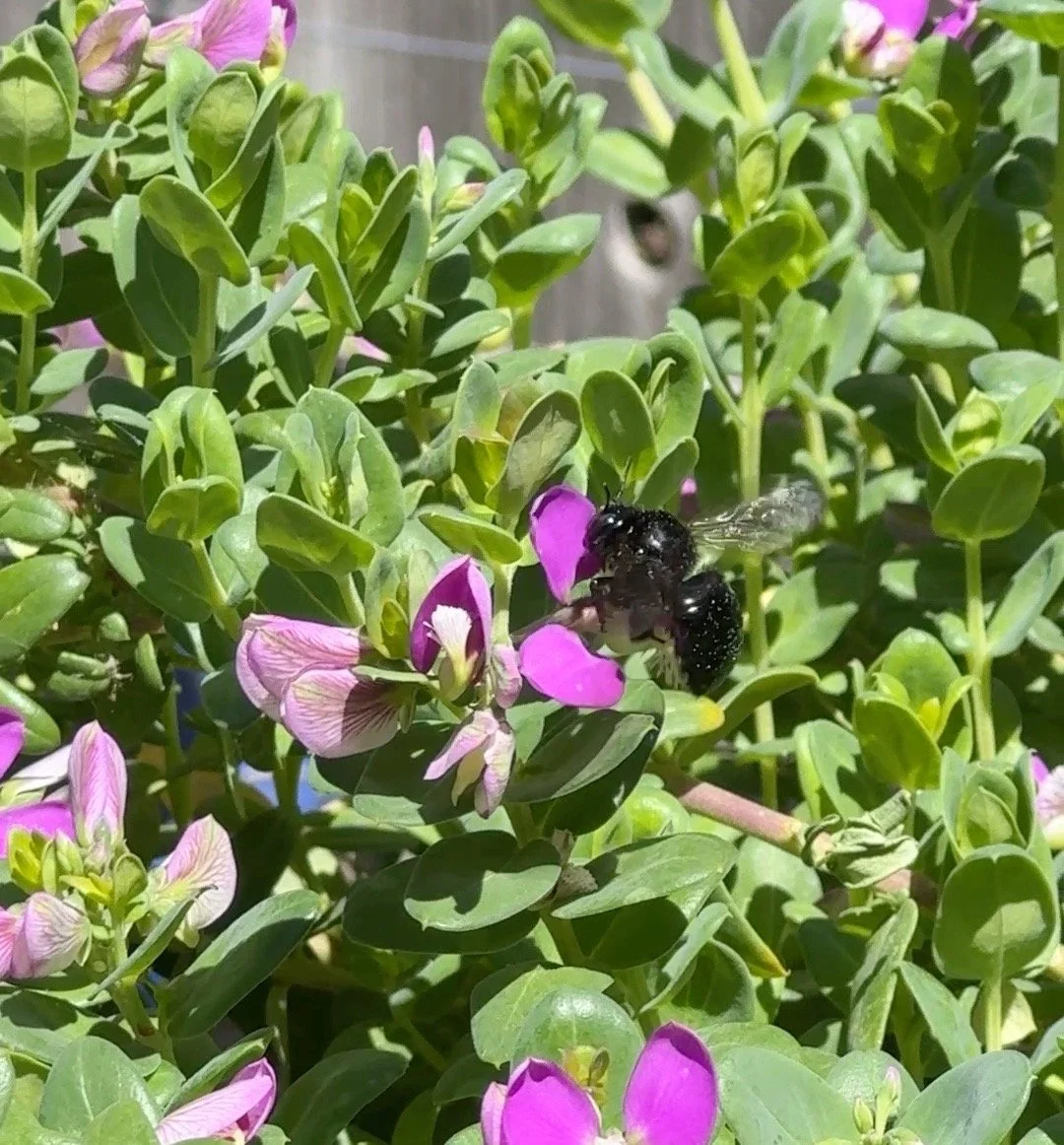
I water plants not in a rushed “have to get this done” way, but by enjoying time outside
You see, rest isn’t only about sitting down and resting your physical body.
It’s about resting in your body as well as resting in your thoughts.
We have the ability to trigger our fight or flight system just with our thoughts alone. When you are resting it’s important to also let go of any thoughts that are causing you stress and anxiety. You can do this by focusing on what you see, hear, and feel while walking, listening to music etc.
The benefits of rest
You can only properly digest your food and absorb those nutrients you are trying so hard when you are in the resting state
You can only sleep peacefully and continuously when you are rested
You can respond with grace instead of irritation to your kids’ bickering when you are rested
You can react to life’s many stressors with resilience and flexibility when you are rested
When you rest, you are taking care of yourself. And taking care of yourself is one of the best ways to take care of others in your life. You might even inspire them to rest, too.
Resting lowers stress, anxiety and blood pressure
You’ll find yourself in a better, more even mood with consistent rest
You can even improve your immune and heart health with rest
“There is virtue in work and there is virtue in rest. Use both and overlook neither.”
Remember, rest means you spend time in the parasympathetic state where your body receives all the calming and restorative hormones and chemicals it needs to feel better.
You have permission to rest.
You do not need to “earn” rest by checking off everything on your to-do list and then doing your favorite calming activity.
Because the to-do list never ends. Do not wait to add spending time in the parasympathetic nervous state into your day when everything else is done.
Add resting to your to-do list if that helps you.
Start now. Pick one thing where you are resting in your body and resting in your thoughts (no worrying about your to-do list!) today.
Let me know how it goes.
xo, Sarah
Want help feeling inspired to add more rest into your day? Join my newsletter for updates on physical and mental health. Your body and brain will so appreciate the improvements in gut, immune, heart and emotional health by spending time in rest. See you there.