
Do you believe more in your obstacles, or more in your goals?
finding belief in yourself and the importance of your goals
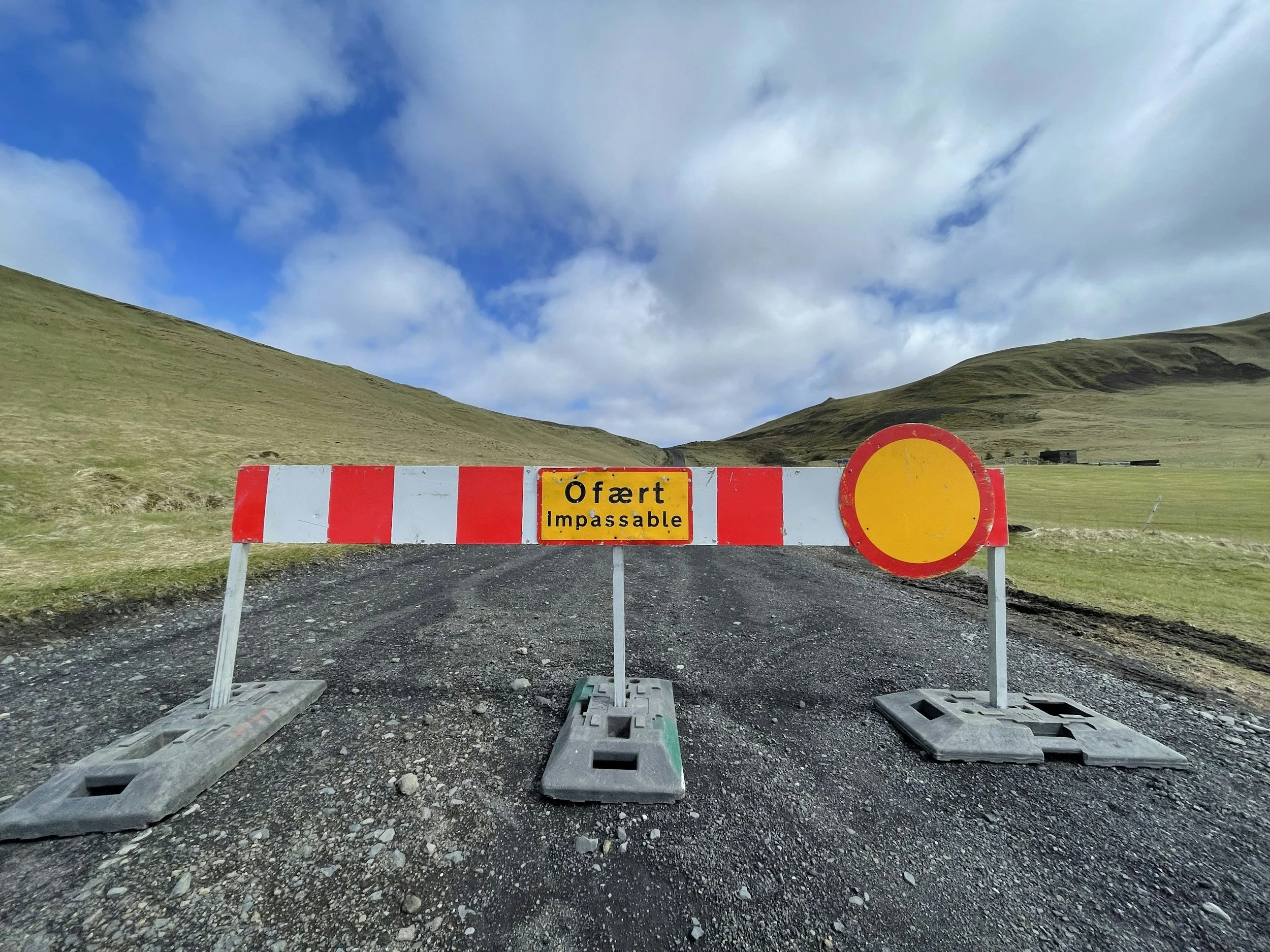
I was driving to a Pure Barre class this morning listening to Ryan Holiday’s book The Obstacle is the Way when one simple sentence, which sounds like not much in passing, struck me right in the gut.
He said something like, “Do you believe more in your obstacles or more in your goal?”
I knew this sentence was meant for me, to give me something to think about.
Believe. How much time do I spend thinking I can’t do something verses thinking about, what if I can?
I was a little incredulous. I actually said out loud in my car, “I don’t believe in my obstacles, they just…are there!” I have never thought about the challenges life offers this way before. Obstacles happen and that’s why I can’t implement a sleep routine, or eat more veggies, or start my YouTube channel. I realized that believing in my obstacles gives them a lot of weight and power over me. I think that’s the point Holiday was getting at: are you letting obstacles determine your (in)actions, or are you letting your goals hold more power?
I felt a little called out.
Of course I want to believe more in my goals, but I often get caught in the trap of focusing on the obstacles that I perceive to be standing in my way.
So, how do we start believing more in our goals instead of lamenting why we can’t achieve them? That’s what we’ll cover in this article.
What does it mean “to believe”?
To start unpacking this process we first need to start with a simple definition: what does it mean to believe something?
The dictionary defines “believe” (verb) as:
to have confidence in the truth, the existence, or the reliability of something, although without absolute proof that one is right in doing so
to have confidence or faith in the truth of (a positive assertion, story, etc.); give credence to.
When we believe more in our obstacles we have faith that the obstacle is true. We also spend a lot of time thinking about the obstacles: the lack of time, resources, support, ability or skills. All this time thinking about the obstacles builds the case in our mind that the obstacle is stronger than the goal.
We give credence to our belief in the obstacle, which means we are accepting that, “well that’s it! It’s just how it is so I can’t do anything about it.”
But is that really true? Even within the definition of “believe” there is a stipulation.
Look at the definition again: to have confidence in the truth, the existence, or the reliability of something, although without absolute proof that one is right in doing so.
We don’t have absolute proof that what we are believing in is right and true.
What is a belief at its most basic element? It’s a thought. A thought we allow to be true or not true. When you bundle up a lot of your thoughts, you get a belief:
You believe you aren’t the type of person who has time to take walks for her health.
You believe it's more important to do everything on your to-do list before you take any time for yourself.
You believe you aren’t capable or have the skills to reach your goals
Let’s take an example.
Suppose you want to work on your stress levels. You want to feel less stressed and more like you’re able to cope with the stress of doing it all..caring for your kids/house and caring for your job. You want to feel less stressed by taking a long walk in the mornings or evenings, or on your days off if you’re a shift worker.
(Side note: Walking is almost always the first place I recommend my clients to start when creating health goals. Walking covers all your basics: lowers anxiety, gets you outside, moves your body, maintains flexibility as you age…The list of benefits is super long).
You decide on your goal: take a long walk three days a week. If you need help creating your health goals, work with a coach! That’s their whole jam.
Your brain immediately offers the obstacle: you don’t have time to take walks! There’s things to do, errands, the house, the kids’ sports…on and on.
Here, you have a choice: are you going to believe more in your obstacle(s) or more in your goal?
This is why I feel called out in Ryan Holiday’s book. Because I often give more credence to the obstacle. Is it really true that I can’t find any time to take a walk 3 days a week? Why do I spend more time thinking about why I can’t do it, instead of figuring out solutions to the problem and reach my goals?
In her book Tranquility by Tuesday author Laura Vanderkam reminds us that we have 168 hours each week. Let’s agree that we will sleep 8 hours a night, OK? So that means we are left with 112 waking hours each week.
We could add in work hours if you'd like too, which would leave us with around 72 hours of non-work time each week. I am so surprised by this number. Seventy two hours feels luxurious and spacious.
Can you find time for 2-3 hours of walking each week among your remaining 72 hours?
Putting time into this perspective makes it feel less daunting to find the time for our goals. And gives us a little more power over obstacles.
Thinking about overcoming the obstacle means we can chip away at the belief that the obstacle is set in stone. We can start believing a little more in our goals instead.
What happens when you believe more in your obstacles
When I think that there are only obstacles standing between me and what I want (my goal), I feel heavy, drained and defeated. And when I feel this way, I don’t take any action toward my goal, which also feels terrible!
In the book, Ryan Holiday does admit that of course we all have hardships, obstacles, and systemic injustices in our way, all the time. But life is just that, difficult. It’s how we react to our obstacles and challenging situations that counts.
When you have more faith in your obstacles than in your goals these things will happen:
Spend too much time thinking “this isn’t possible”
Our brain loves to spout this thought like it’s absolutely true! Many of us state lack of time or lack of ability as the top reasons why we can’t make progress on our goals
Have you ever wondered why your brain’s first response to trying anything new or working on something challenging is, “no we can’t do that”?
2. Feelings of doubt emerge
For many of us, setting a new goal to walk 3 times a week sends our brain straight into thoughts that create doubt:
-I’ve never been able to create a walking routine before, why would this time be any different?
-There’s too much to do and I don’t have time for it all
-I’ll just let myself down again
These thoughts all lead you to doubt your ability to achieve this goal. Doubt is just another way to say we are believing more in our obstacles than in our goals. And when we doubt our ability, we don’t take action.
3. Energy depletion
When you let your obstacles run the show you will feel drained and without motivation. If you really want to do something, not because you “should” or it would make someone else happy, your body notices. All these conflicting thoughts of having a goal but immediately telling yourself why you can’t have it makes you feel exhausted.
When you feel this way of course you don’t want to take any action towards your goals.
4. You won’t take any action
Here’s the real kicker. When we let the above 3 thoughts and feelings rule us, we are believing more in our obstacles. We let doubt, fear, uncertainty, and overwhelm make our decisions for us. We will live life not how we want to, but will let our brains keep us stuck in the mode of “let’s just stay the same” forever. The brain loves certainty, and it will prove to you the certainty of an obstacle. If you let it.
Do you want to keep believing in the obstacles?
What happens when you believe more in your goals
It might seem obvious, but when we put our belief more in our goals we will feel the opposite of what I’ve described above. Giving credence to obstacles leads to heaviness and defeat. Giving credence to our goals leads to feelings of lightness and possibility.
Which feelings would you rather live with?
Thoughts of “hey, this is possible”
Living in the land of possibility feels soooo much better than continuously beating yourself up with thoughts like: “this isn’t possible, I can’t do this.”
Once you nudge your brain towards thoughts like, “hey maybe I can do this” you will start to believe it’s possible to achieve your goal.
Do this: when you think about your goal (insert your own goal here, we will continue using the goal of walking 3 times a week) notice what thoughts your brain gives you. Notice if your brain wants to believe in the obstacles more than the goals.
When your brain gives you the unhelpful thought of: “it’s not possible to find the time for myself to take a walk” gently let that thought leave your brain without believing it to be a good or bad thought.
Then, give yourself a new thought: “it’s possible that I can take a walk 3 times a week. It’s possible that I think of new ways to make this happen.”
2. Feelings of lightness and a spark of excitement
When you allow yourself thoughts of possibility, you will begin to seed the feelings of lightness and excitement. And that is where good action will follow.
Why do you want to work on this health goal? Why do you want to walk 3 days a week? If you’re anything like me, it’s because you want to feel less stressed and you want to walk all the way into super old age.
Do this: think about why this might be possible for you and then notice the feelings that emerge from those thoughts. When you give your brain helpful thoughts of why you could be able to do your goal, your feelings will also be helpful and motivating. You might feel energized, lighter, excited, determined, curious, or inspired.
What feelings do you notice?
3. Learn to spend time having faith in yourself and your goals, instead of spending too much time lamenting your obstacles
Our brains naturally tend toward the negative, toward reasons why we can’t do something. The brain likes to create obstacles in our path. Our brains evolved to keep us safe from physical danger, and so anything new or challenging is perceived as dangerous. “Stay away!” the brain says, because it is uncertain of the outcome.
It’s our work in these modern times to notice that we aren’t actually in danger when our brain tells us that we are.
Do this: spend more time thinking about what’s possible. This will feel uncomfortable at first because we are so used to thinking why something won’t work, instead of spending intentional time thinking about why it might work.
It’s OK that your brain still gives you pushback. Don’t judge your brain for its negative thoughts, just make sure that you are giving an equal amount of time spent having faith in yourself and why your goals are important to you.
When you learn to spend more time believing in what’s possible with your goals, you will get those energizing feelings of excitement and possibility, which take you to the next step: action!
4. Start taking action toward your goals
Taking action is both a little exciting and a little scary. And that's OK. The thing is not to let fear become its own obstacle and set you back. We don’t know if we will succeed at walking 3 hours a week, or “fail” and only walk once, or not at all.
But that is not failure. If you’ve taken any action at all, you’ve won. You’ve shown yourself that you can have more belief in your goals than in your obstacles.
Do this: take your goals one week at a time. If you walked one time last week, great. Now ask yourself:
-how was it that I was able to take that walk?
-what system did I put in place that gave me that time out of my schedule?
-what did I enjoy about taking that walk?
-how might I add in 2 walks next week?
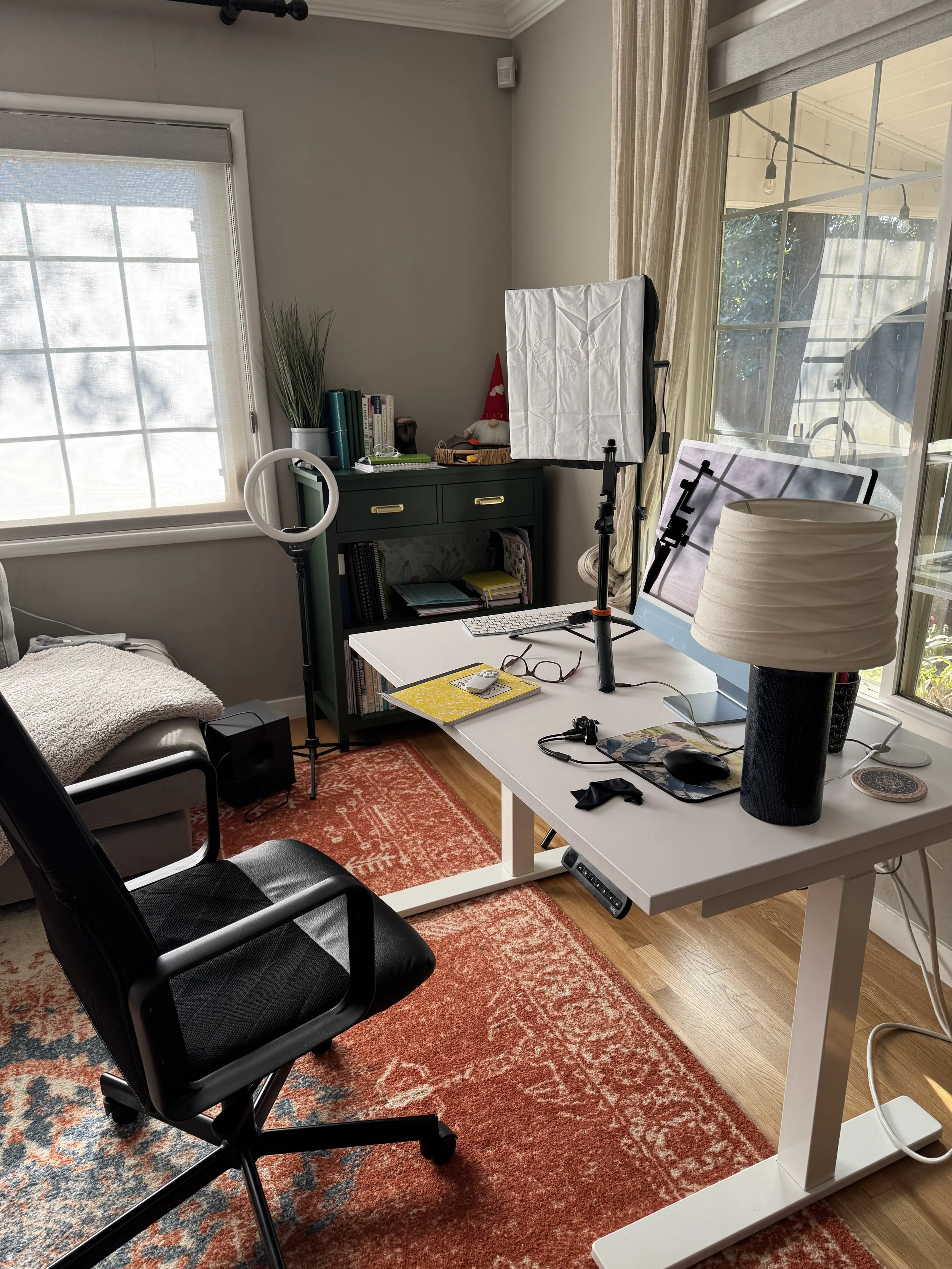
A goal where I’ve spent more time believing in the obstacles is to create a YouTube channel to give inspiration & support to my fellow moms & nurses
Now I’m committing to believing more in my goal. I’ve started making the office space ready to film!
I’ve taken this one sentence of “do you believe more in your obstacles or more in your goals” out of context from Holiday’s bigger argument about perspective.
Perspective includes our thoughts and beliefs about the way the world works. They are often formed in childhood when we are told not to stand out, don’t do that you might fail, oh that’s going to be too hard, life is uncertain.
It may seem like these thoughts are true and permanent.
Fortunately, we have the ability to change our perspective.
The question is, do you want to continue putting more of your belief in your obstacles, or more of your belief in your goals?
I can’t unsee these possibilities now that I’ve been reading about the Stoics and other influential thought-leaders.
I want to be the type of person who sees the obstacle and doesn’t get too afraid and stop. I’ve had a goal to start a Podcast YouTube channel for over a year (closer to 2 years, yikes!) and have let my own fears stop me. I think, who wants to hear more about health? And, I don’t like being on camera. And, learning to edit videos is really hard.
Yes, it’s hard, but can I try and learn? What if I help one nurse or one mom with her health goals, won’t the effort and fear of failure be worth it?
By putting this out into the Universe, I am beginning to believe more in my goals than in my obstacles. I hope you are feeling a little more inspired to do the same.
I’d love to hear about what goals you are deciding to believe in, and what obstacles you are deciding not to give belief to. Join my newsletter and send me an email, I read each one and will get back to you.